
The complete guide
Choosing Grain Free Lamb Dry Dog Food, A Practical Buyer's Guide
The problem with buying a big bag first
Dog food is one of those purchases where the sensible option and the cheap option pull in different directions. A 15 kg sack looks like better value on the shelf, and on a per kilo basis it usually is. But if your dog decides on day three that it would rather eat the carpet, you are stuck with 14 kg of something nobody in the house wants.
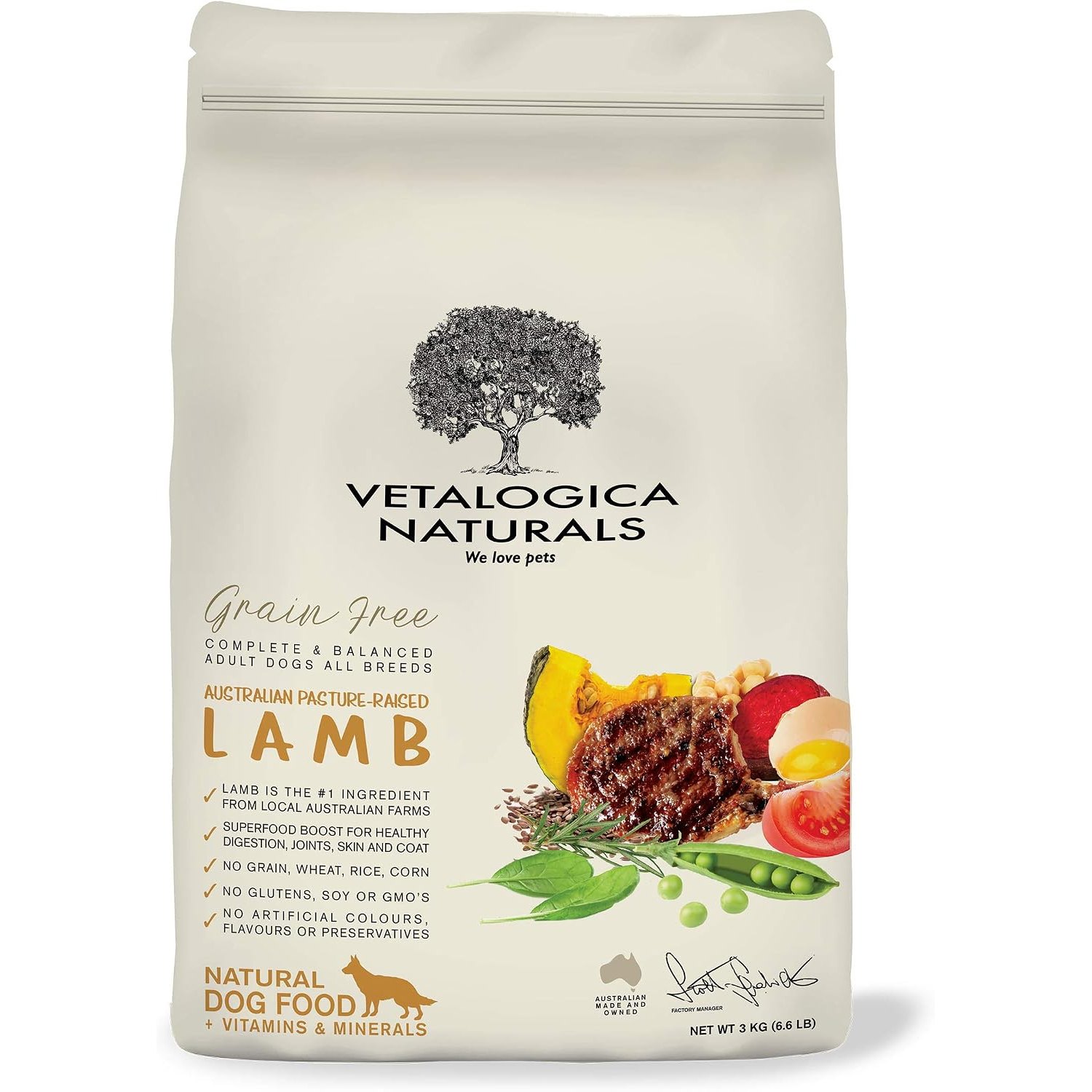
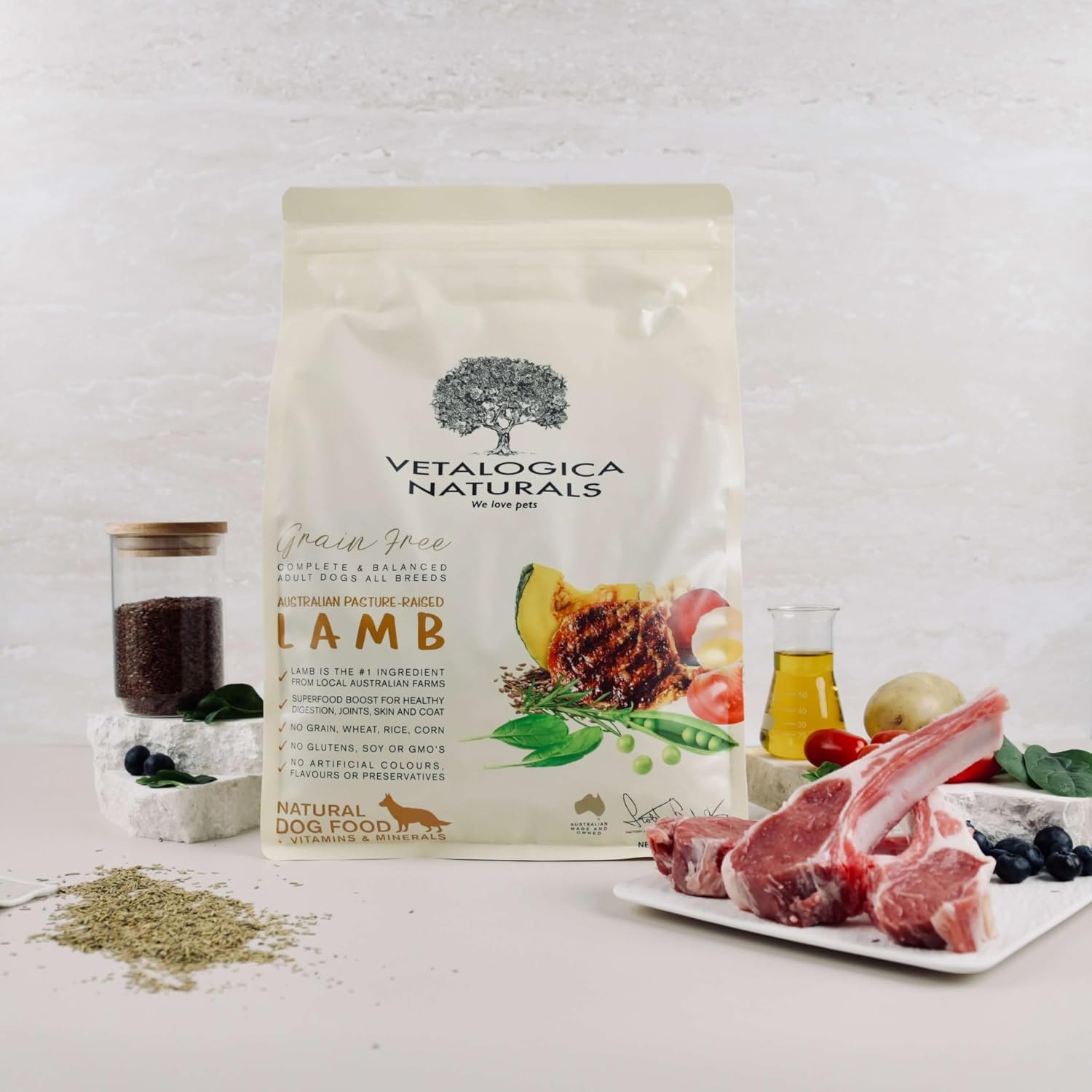
That is the gap a 3 kg bag fills. Grain Free Lamb Adult Dry Dog Food 3 kg is a smaller pack of dry kibble for adult dogs, and the size is the point. You can carry it in from the car in one trip. It fits on a pantry shelf. And if it turns out not to suit your dog, you have not written off a month of food.
What is actually in the bag
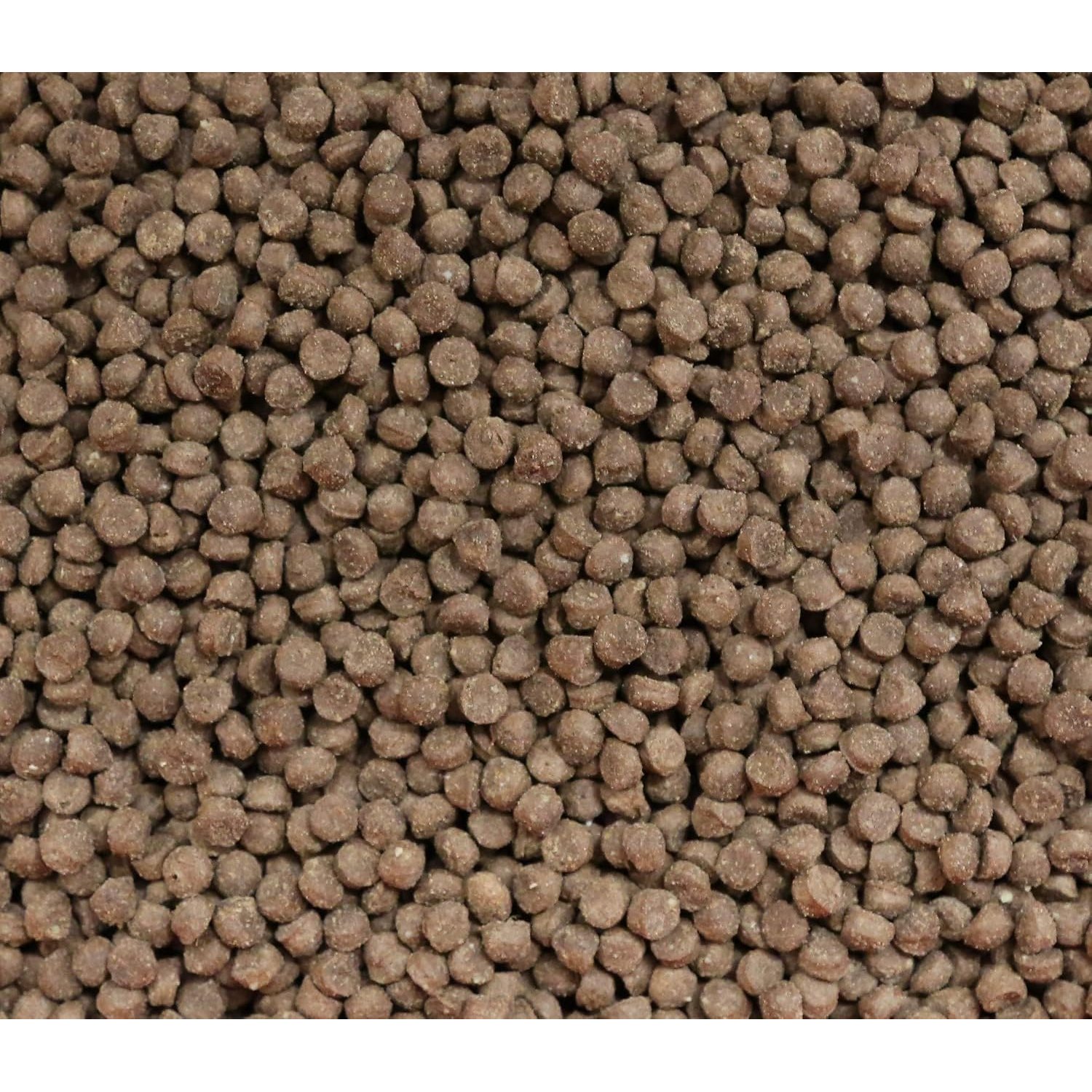
The food is dry kibble, not wet, not raw, not freeze dried. The maker labels the recipe grain free, and lamb is listed as the protein or flavour.
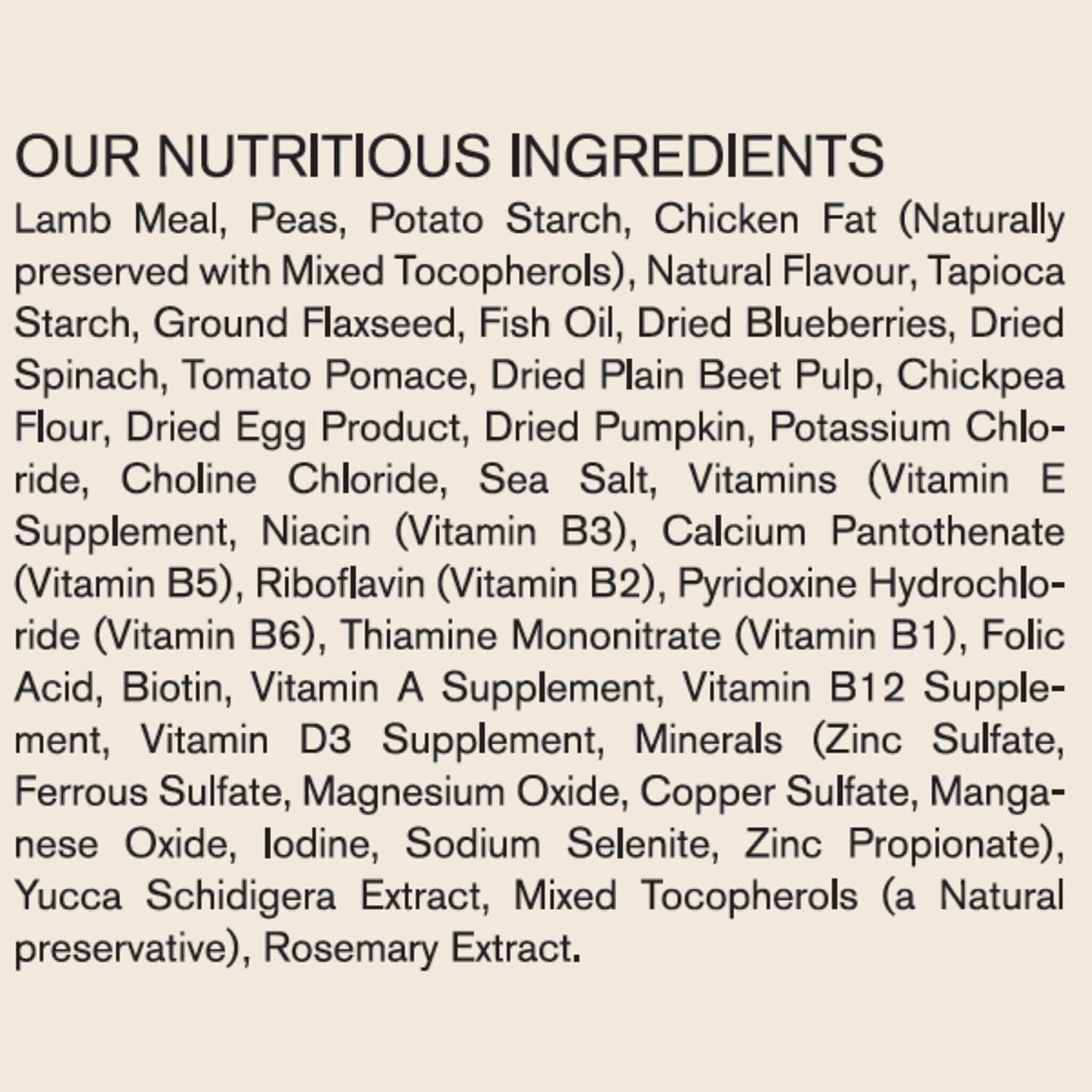
The printed ingredient list runs like this. Lamb meal comes first, then peas, potato starch and chicken fat preserved with mixed tocopherols. After that you get natural flavour, tapioca starch, ground flaxseed, fish oil, dried blueberries, dried spinach, tomato pomace, dried plain beet pulp, chickpea flour, dried egg product and dried pumpkin. Then potassium chloride, choline chloride and sea salt, followed by the vitamin blend (E, niacin, calcium pantothenate, riboflavin, pyridoxine hydrochloride, thiamine mononitrate, folic acid, biotin, A, B12 and D3) and the mineral blend (zinc sulfate, ferrous sulfate, magnesium oxide, copper sulfate, manganese oxide, iodine, sodium selenite and zinc propionate). It finishes with yucca schidigera extract, mixed tocopherols as a natural preservative and rosemary extract.
Worth noting for anyone screening ingredients: chicken fat, fish oil and dried egg product all appear. If your dog avoids poultry, fish or egg, this list tells you what you need to know up front.
Reading an ingredient list without overthinking it
Ingredient lists are ordered by weight before cooking, so the first few items tell you most of the story. Here that is lamb meal, then the plant ingredients that replace grain, then the fat.
Beyond that, the useful habit is simple. Scan the list for anything your dog is known to react to, and ignore the marketing noise. Nobody needs a food science degree to do that. You just need to know your own dog, and to check the pack rather than relying on a product page, because packs do get reformulated.
Anything that strays into health territory is a vet conversation, not a shopping one. If you are picking a food because of a symptom you have noticed, get the symptom looked at first and let the vet steer you on diet.
Working out how long a bag lasts
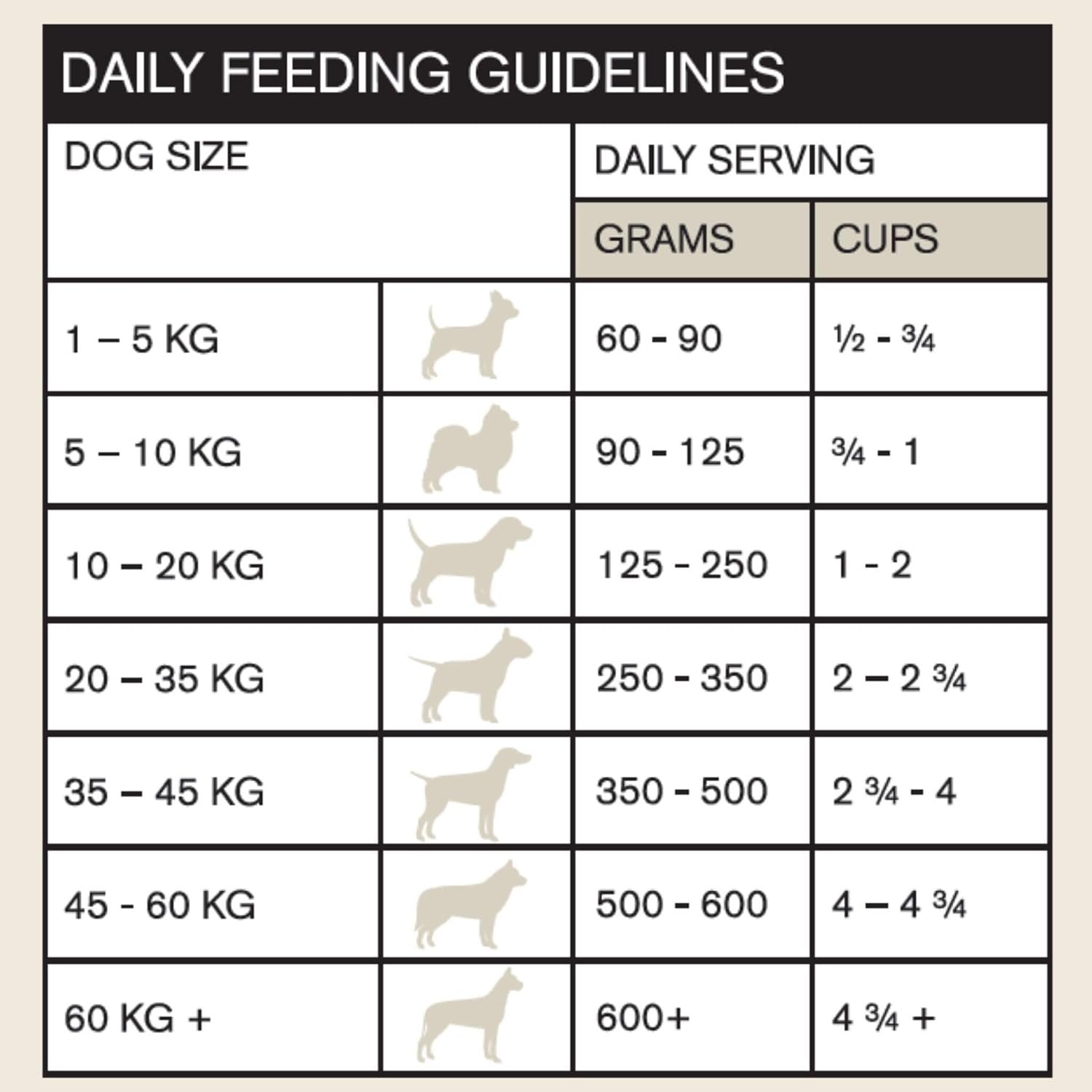
This is the question most people actually want answered, and the honest reply is that it depends on the feeding guide printed on the pack.
Here is how to do the sum. Look at the panel on the bag, find the daily amount that matches your dog's weight, then divide 3000 grams by that number. If the guide says 150 grams a day, you get roughly 20 days. At 300 grams a day, it is about 10. A small dog might stretch a 3 kg bag out for well over a month.
The maker's feeding direction is straightforward: follow the instructions on the packaging. So use the panel, not a guess. A cheap kitchen scale or a marked measuring cup takes thirty seconds and makes the numbers reliable.
Cost per kilo, and when a small bag still makes sense
To compare prices properly, divide what you paid by 3. That gives you a per kilo number you can hold against any other bag on the market.
Small bags almost always cost more per kilo than bulk packs. That is normal. The question is whether the extra is worth it to you, and there are a few situations where it clearly is. You are trialling a new flavour. You have one small dog and a big bag would go stale before it emptied. You have nowhere sensible to store 15 kg. You travel with the dog and want something portable. In each of those cases the best grain free kibble for you is the one that actually gets eaten while it is fresh.
Who this pack suits
Adult dogs, first of all. The life stage listed is adult, so puppies and dogs with specific senior needs should be fed something matched to them.
Breed size is not stated on the pack details we hold, and neither is kibble piece size. For a lot of dogs that will not matter. For a very small dog or one that bolts its food, it might, and again the smaller bag is the low cost way to find out.
It also suits anyone who has decided to try grain free and wants a lamb recipe specifically. Lamb is a common pick for owners who have already been through chicken and beef based foods, and a 3 kg pack is a reasonable way to test it.
Changing foods the slow way
Do not swap in one go. Mix a small amount of the new kibble into the food your dog already eats, then shift the balance a little further each day over about a week. By the end you are feeding the new food on its own.
Two reasons this helps. Dogs adjust to taste and texture better when the change is gradual, and you find out early if your dog is simply not interested. If the answer is no, you have barely dented the bag.
Storing it so it stays fresh
Keep the bag somewhere cool and dry, out of direct sunlight, and off a damp floor. After each scoop, roll the top of the bag down and clip it.
If you prefer a container, the tidiest method is to put the whole bag inside the bin rather than tipping the kibble in loose. You keep the feeding guide, the ingredient list and the batch details right where you need them, and the bin stays cleaner between refills. Wash and thoroughly dry any container before a new bag goes in. Use a dry scoop, because damp hands in a bag of kibble are how things go off early.
And the obvious one that is easy to forget: fresh water, always available, bowl rinsed daily. Dry food and a full water bowl go together.
Delivery and returns
Orders are dispatched within 2 working days, then it is up to 7 working days by tracked courier. Delivery is within Australia only. Shipping is free on orders of $99 or more, and a flat $12 under that.
For change of mind, you have 14 days from delivery as long as the pack is unopened and in its original sealed packaging, with return postage paid by you. Opened food cannot be returned for hygiene reasons. If something arrives faulty, damaged or not as described, that is put right under the Australian Consumer Law. There is no separate warranty on a food product.
The short version
Grain Free Lamb Adult Dry Dog Food 3 kg is dry kibble for adult dogs, built on lamb meal, with peas, potato starch and tapioca starch standing in for grain. Chicken fat, fish oil and dried egg product are in the mix, so check the list if your dog avoids those.
The 3 kg size is the practical hook. It is easy to store, easy to lift and a sensible amount to buy when you are trying a food for the first time. Feed by the guide printed on the pack, change over across about a week, keep the bag sealed and dry, and take any health question to your vet.